
Reform, interrupted
...or how the Minneapolis police continue to fail the city

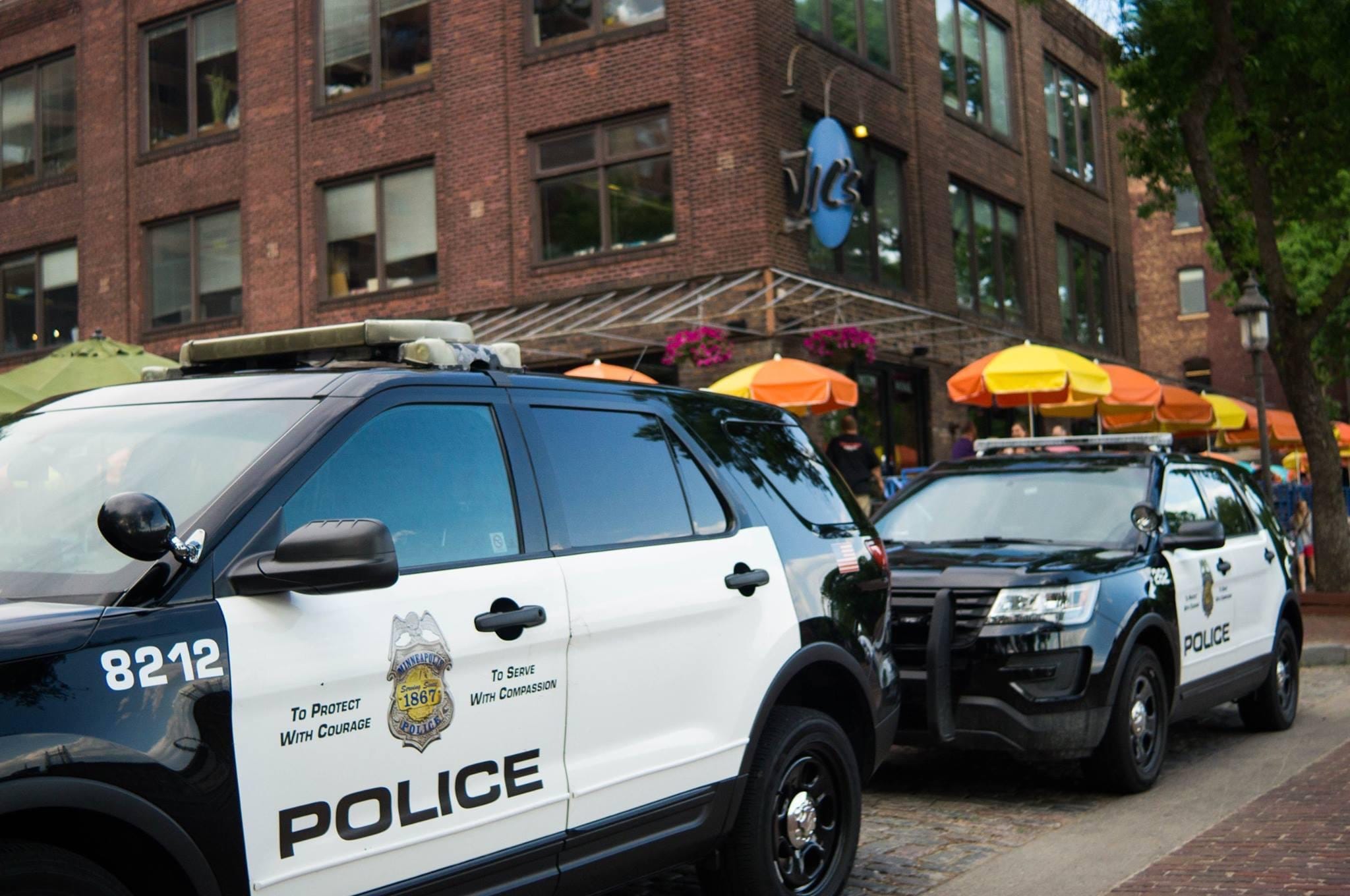
For anyone one paying attention, reforming the police, as it turns out, is not as easy as sharing proclamations and platitudes.
As he has since he first ran for office in 2017, Mayor Jacob Frey insists that change is coming. In fact, he recently suggested that Minneapolis had made “real progress” in meeting the requirements of court-mandated police department reforms.
But on June 15, Effective Law Enforcement for All (ELEFA), the oversight body ensuring compliance with those changes, announced that the city continued to fall short of its goals to improve public safety. Their latest report notes that “consistently identified challenges -- bottlenecks in policy development, insufficient staffing for critical functions, uneven communication from leadership, and slow progress on the accountability backlog -- have not been resolved.” Fundamentally, “the task now is to train, implement, and hold personnel accountable” because, “until that occurs, the public will not experience the changes to policing that MPD has promised and is working to deliver.”
In particular, they focused on serious issues in Internal Affairs that continue to undermine public trust. As the history of Internal Affairs in MPD suggests, the work of officers investigating other officers for potential wrongdoing is especially political and challenging. The struggles of African American officers in the early 2000s or the inability of Internal Affairs to harness the misdeeds of the Vice Squad in the late 1970s show that accountability can be hard to come by when basic transparency remains out of reach.
More pointedly, the Minnesota Department of Human Rights issued a stern warning timed to accompany the ELEFA report. After more than two years under a state consent decree and six years after the murder of George Floyd, MPD remains “far from achieving the transformational change necessary.” Indeed, it declared that the department continues to engage in “deeply concerning conduct.” “Persistent difficulties” in “existing accountability systems” means little progress has been made. Despite millions of dollars spent and community events touting real change, basic and significant problems remain.
For the next few months, Minneapolis politicos will be consumed by the search for a new police chief. Former police chief Brian O’Hara, touted as a change-agent, turned out to be less than promised. Then again, his inappropriate behavior, misconduct, and ignominious resignation also makes him a convenient fall guy. Most will blame O’Hara for the lack of real progress. (Those who don’t will likely turn on Toddrick Barnette, head of the city’s Office of Public Safety, whose future is already in doubt.)
Remember, though, that chiefs alone do not change public safety systems. They cannot reshape institutional cultures by themselves. The most popular and most reform-committed police chiefs in Minneapolis history—Tony Bouza (1980-1988) and Medaria Arradondo (2017-2022)—saw shocking misdeeds continue unabated despite their top-down reforms. The former claimed to rein in so-called “thumpers” even as he unleashed them against those who called out ongoing police misconduct. The latter proved unable to change the department in the years before the murder of George Floyd.
Who can transform public safety in Minneapolis? It will take all of us. Even as the “buck” stops with Mayor Frey (who is given complete oversight of the police department by the city charter), people across the city must continue to demand actual public safety, which requires a range of municipal services as well as dramatic changes to policing itself. If residents relent, more pain and grief and even unrest is likely to follow.